The Art of Being a Thoughtful Guest
There’s something lovely about being invited into someone else’s home.
Whether it’s dinner, a weekend away, a holiday gathering, or a few nights in someone’s guest room, an invitation into a home is more personal than meeting at a restaurant or checking into a hotel. Someone is opening up their space, changing their routine, buying groceries, making beds, planning meals, and thinking about how to make you comfortable.
Being a thoughtful guest is really just a way of acknowledging that effort.
And, much like thoughtful gifting, I don’t think it has very much to do with how much money you spend.
The guests we remember most fondly usually aren’t the ones who arrived with the most impressive bottle of wine or the most expensive host gift. They’re the people who noticed what needed doing, made themselves easy to have around, and left us feeling like hosting them was worth the effort.
That, to me, is the art of being a thoughtful guest.
Arrive With Something — But It Doesn't Need to Be Extravagant
I’m a big believer in bringing something when someone invites you into their home, especially when you’re staying overnight.
But a thoughtful host gift doesn’t need to be elaborate.
Flowers, good coffee, something local from where you live, a beautiful candle, pastries for the next morning, or a small item you know your host will genuinely enjoy can be much more meaningful than an expensive gift chosen simply because you felt obligated to bring one.
The same rule I use when choosing almost any gift applies here: think about the person first.
If they don’t drink, skip the wine.
If they love their morning coffee, bring something that makes that ritual a little better.
If you know they always put out a beautiful breakfast, perhaps bring a really good jam, local honey, or something everyone can enjoy the next morning.
A good host gift says, I thought about you, not simply, I knew I was supposed to bring something.
The few times I’ve received a host gift, I’ve always been genuinely surprised because it’s so unexpected.
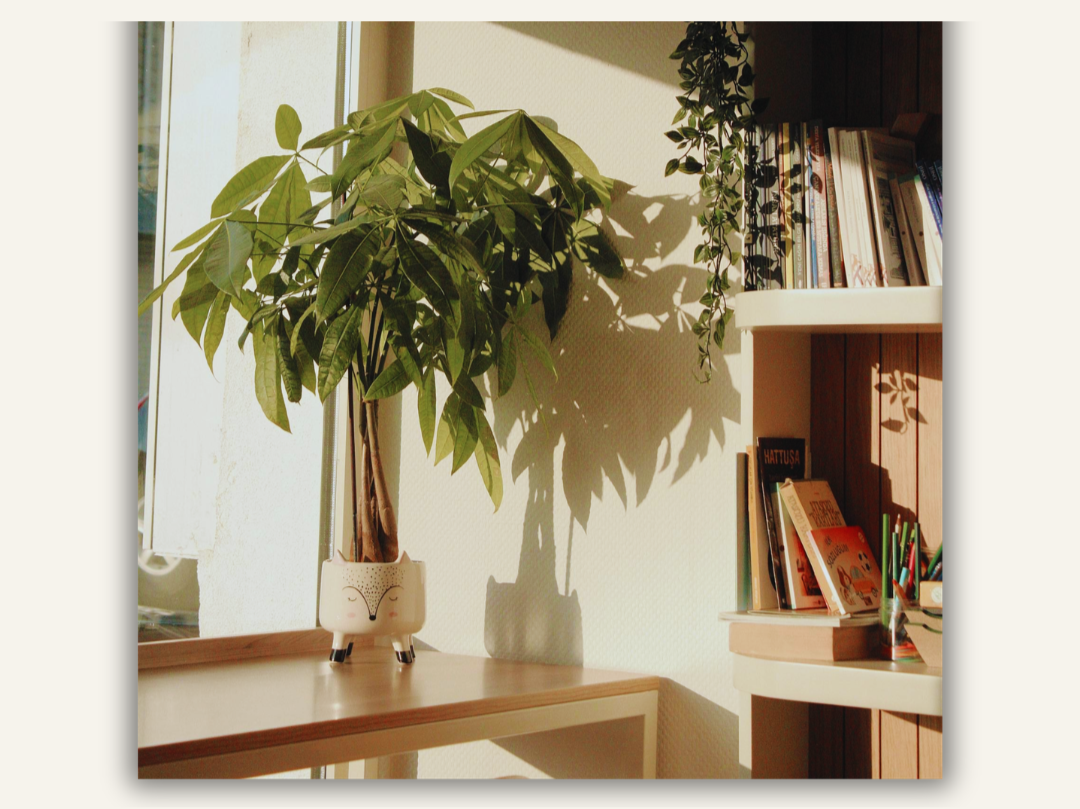
One friend brought me a beautiful little houseplant, and now every time I water it, I think about them and the fun night we had together — a delicious dinner, dessert and some nice wine, followed by a lot of laughs around the table playing Yahtzee.
It wasn’t an extravagant gift, but it became a little reminder of a really good night. And I think that’s what makes a thoughtful host gift so special.
Don't Make Your Host Guess What You Need
One of the easiest ways to be a good houseguest is also one of the least glamorous: communicate.
If you have dietary restrictions, mention them ahead of time rather than waiting until dinner is being served. If your arrival time changes, send a message. If you have plans while you’re visiting, let your host know.
Thoughtfulness often looks like reducing the number of things another person has to figure out.
At the same time, I think there’s a difference between communicating what you genuinely need and arriving with a long list of preferences.
A home isn’t a hotel.
Part of being a gracious guest is being willing to adapt to the rhythms of someone else’s household for a little while.
They eat dinner later than you do? You’ll survive.
Their coffee isn’t quite the way you make it at home? Also survivable.
Not everything needs to be exactly the way we prefer it.
Notice What Needs Doing
This might be the quality I appreciate most in a guest.
You shouldn’t have to completely take over someone else’s kitchen — and some hosts would probably prefer that you didn’t — but there are countless little ways to make yourself helpful.
Carry the plates to the kitchen. Refill someone’s water. Ask whether the host wants help clearing up. Wipe the counter after making breakfast. Put things back where you found them.
And sometimes the most thoughtful thing is simply noticing.
If your host is still cooking while everyone else is visiting, perhaps ask what you can do.
If they say, “Nothing, I’ve got it,” believe them. Pour them a glass of wine, keep them company, or go enjoy yourself.
Helping shouldn’t create another job for the host.
I have one friend who, whenever we plan something together, is always quick to volunteer to bring something — and I don’t mean a bagged salad.
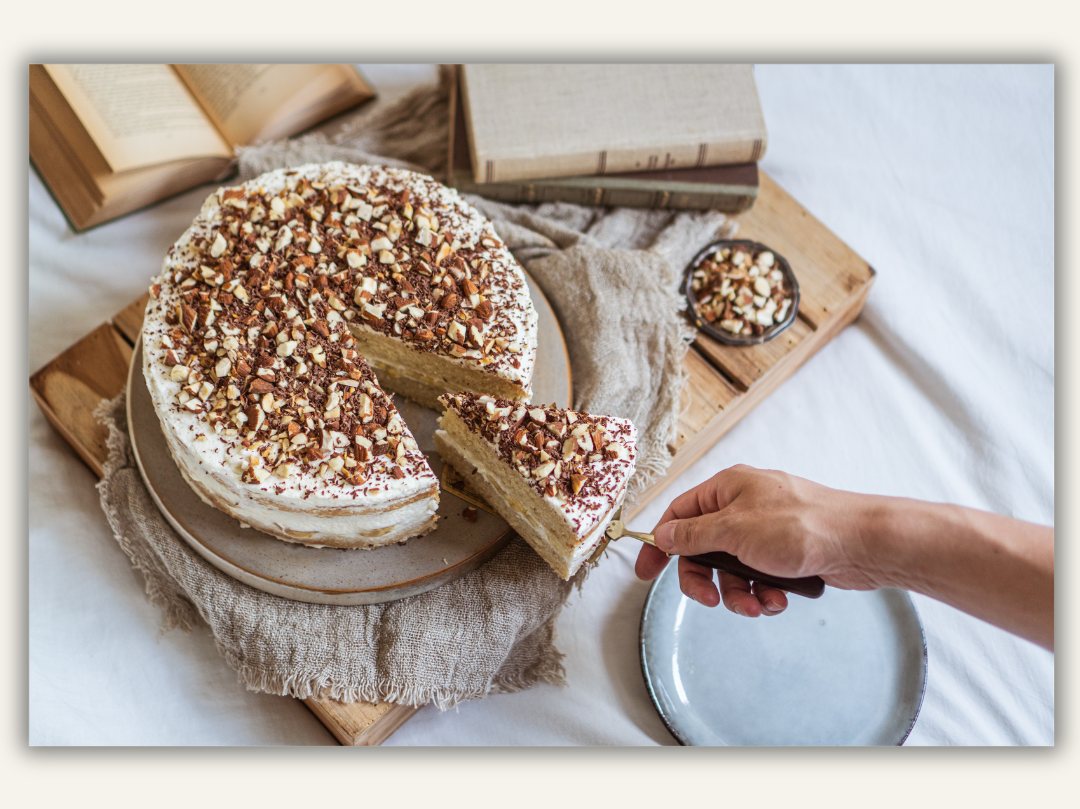
She’ll make two different desserts so there’s something everyone will enjoy, bring a couple of side dishes, or find some other way to make hosting a little easier. She always seems to understand just how much work goes into having people over.
And when she’s at my home, she’s right there helping clean up, serve dessert, or take care of whatever else needs to be done. But she does it in a way that never feels invasive or like she’s trying to take over.
She’s genuinely there to help and be a friend.
To me, that’s the difference. The best guests don’t help because etiquette says they should. They help because they notice.
Pay Attention to the House
Every home has its own little routines.
Shoes off at the door. Dogs that aren't allowed scraps from the table. A particular place for wet towels. Quiet mornings. Early bedtimes. Children who nap. A kitchen where everyone gathers.
You don’t need a list of rules.
Usually, you just need to pay attention.
I think this is one of the simplest forms of good houseguest etiquette: notice how your hosts live and try not to make their lives harder while you’re there.
If you’re unsure, ask.
“Where would you like me to put this?” is almost always preferable to leaving something for your host to deal with later.
Give Your Hosts Some Space
This becomes especially important when you’re staying for more than one night.
Being invited to someone’s home doesn’t necessarily mean they need to entertain you every minute you’re there.
Go for a walk. Read for a while. Offer to pick up coffee. Explore the neighbourhood. If you're visiting for several days, make some plans of your own.
I think one of the nicest qualities in an overnight guest is the ability to be comfortable without constantly needing to be entertained.
There’s a point during a longer visit when everyone benefits from a little breathing room.
And there’s something wonderfully easy about being with people when nobody feels responsible for filling every silence.

My husband and I have always loved to travel, but for years we struggled to find another couple we really enjoyed travelling with.
We tend to treat a vacation as an experience rather than something that needs to be scheduled from beginning to end. We love great food, walkable communities, friendly locals and, ideally, a fantastic pool. We often stay in condos because we like the flexibility they give everyone to do their own thing.
I’m an early riser, and one of my favourite things on vacation is getting up before everyone else, making coffee and toast, and sitting outside on the balcony listening to the sounds around me. Staying in a condo means I can have that quiet start to my day while everyone else sleeps, joins me when they’re ready, or does their own thing.
We’ve travelled with people who wanted almost every hour planned and others who preferred not to plan anything at all. Neither really worked for us.
Eventually, we found another couple who travels much like we do. Sometimes all four of us go out together. Sometimes we split up as couples, or the guys and girls head in different directions. One group might go for coffee while the other heads to the pool. Nobody feels like we have to spend every minute together just because we’re on vacation together.
And I think that’s part of what makes travelling — or staying with other people — so enjoyable. Being comfortable enough to give each other some space can actually make the time you spend together better.
Be Generous With the Little Things
Thoughtfulness often shows up in moments so small we barely notice them.
Offer to make the morning coffee.
Pick up the breakfast bill if you go out.
Bring back something for everyone if you run to the store.
Replace something you finished.
Offer to cook dinner one night if you’re staying for several days.
None of these gestures is particularly expensive or impressive.
That’s precisely why they matter.
They show that you understand hospitality is an act of generosity — and that generosity doesn’t have to flow in only one direction.
Know When It's Time to Go Home
There’s an old saying about houseguests and fish, but I think there’s a kinder way of looking at it.
A great visit ends while everyone is still enjoying themselves.
If you’ve agreed to stay for two nights, don’t casually turn it into three. If dinner is clearly winding down and your hosts are yawning, you probably don’t need another coffee.
Part of being a thoughtful guest is paying attention not only to how you arrive, but also to how you leave.
Sometimes leaving at the right time is the final kindness.
Leave Things a Little Easier Than You Found Them
Before leaving after an overnight stay, ask what your host would prefer you to do with the bed and towels.
Some people appreciate guests stripping the sheets. Others would much rather you leave the bed exactly as it is.
So rather than assuming, ask.
Gather your belongings, throw away any garbage, put used towels where your host wants them, check the bathroom, and make sure you haven’t left chargers scattered around the house.
You don’t need to erase every sign that you were there.
Just don’t leave behind a project.
And after you get home, send a thank-you.
It doesn't need to be lengthy or formal. A simple message saying what you enjoyed and thanking someone for opening their home is enough.
Better yet, mention something specific.
I loved sitting outside with coffee in the morning.
Dinner was so good.
Thank you for making us feel so at home.
Specific gratitude feels different because it tells someone you noticed their effort.
The Guests We Want to Invite Back
I think the best guests have something in common with the best gifts.
They make people feel considered.
They notice.
They remember.
They appreciate the effort someone else has made.
Being a thoughtful guest isn’t about knowing every rule of houseguest etiquette or arriving with the perfect host gift. It’s about understanding that someone has made room for you — in their home, their schedule, and their life — and treating that invitation with care.
You don’t need to be the guest who brings the most expensive gift.
Be the guest who makes the bed easier to change, notices when the coffee pot is empty, remembers to say thank you, and knows when it’s time to head home.
Those are the people we happily invite back.
And really, isn’t that the goal?
You May Also Like
If you're looking for another thoughtful gift idea, you may also enjoy:
At The Considered List, we believe in buying fewer things, choosing them thoughtfully, and sharing gifts that are meant to be used, loved, and enjoyed.
About the Author
Hi, I'm Lynn.
After more than 20 years in corporate life, I created The Considered List as a place to share thoughtful gifts, practical luxuries, and recommendations worth passing along.
I believe the best gifts are the ones people actually use—items that become part of everyday life rather than collecting dust on a shelf.
At The Considered List, we believe in buying fewer things, choosing them thoughtfully, and sharing gifts that are meant to be used, loved, and enjoyed.
